
5 Best AI Client Management Platforms for Agencies in 2026
Finding the right client management platform has become increasingly important for agencies managing multiple customers, service offerings, and workflows. With more tools entering the market, choosing a platform that actually fits an agency’s operational needs can be challenging.
Some platforms focus heavily on client relationships and reporting, while others are designed around automation, service delivery, or scaling agency operations. The differences between these solutions are not always obvious, making it difficult to determine which option provides the right balance of features, flexibility, and long-term value.
In this guide, we compare five AI client management platforms for agencies in 2026, exploring what each platform offers, where they stand out, and which types of agencies they are best suited for.
What Makes a Good AI Client Management Platform for Agencies?
The right client management platform should fit the way an agency operates. While some teams may need better organization across client accounts, others may prioritize automation, branding flexibility, or tools that help them deliver specialized services. A few areas can separate a basic management tool from a platform that is built for modern agencies.
Managing Multiple Client Relationships
Agency operations become complex as the number of clients increases. A platform should provide enough structure to keep accounts organized without creating additional administrative work.
Features such as separate client environments and organized workflows allow teams to manage different customers while maintaining control over day-to-day operations. For agencies handling recurring services, having a clear overview of client activity can make it easier to identify priorities and maintain consistent delivery.
Automation That Supports Agency Workflows
Automation is one of the main reasons agencies are exploring AI-powered platforms. However, useful automation goes beyond completing individual tasks. The strongest platforms help agencies reduce manual steps across client communication, service delivery, and internal processes.
AI assistants, automated workflows, and connected systems can help teams handle more work without increasing operational complexity. The goal is to create workflows that allow agencies to operate more efficiently.
Flexibility for Agency Branding and Services
Agencies that provide technology-based solutions often need platforms that can adapt to their own business model. Branding flexibility becomes especially important for companies offering services under their own name.
Client-facing portals, customized experiences, and white label AI software allow agencies to create a more consistent experience for customers. This becomes a key consideration for agencies that want to package software-based services as part of their offerings.
Connecting Existing Tools and Systems
Most agencies already use several platforms to manage sales, communication, scheduling, and reporting. A client management system needs to work alongside these tools rather than operate separately. Strong integrations help agencies maintain smoother workflows by connecting the different systems they already rely on. This reduces unnecessary manual work and keeps important information accessible across platforms.
Supporting Long-Term Growth
The platform an agency chooses should support both current operations and future expansion. As agencies grow, they need systems that can handle additional clients, broader service offerings, and more complex workflows without requiring a complete change in infrastructure.
A scalable platform gives agencies room to expand while maintaining the organization and consistency needed to deliver quality client experiences.
5 Best AI Client Management Platforms for Agencies in 2026
Choosing the right platform depends on what an agency needs to manage and deliver. Some solutions focus on client relationships and marketing operations, while others are designed around service delivery, automation, or creating a more connected experience between agencies and their customers.
The platforms below take different approaches to client management. Each one offers unique capabilities that may fit specific agency models, from marketing providers managing campaigns to AI-focused agencies delivering automated solutions.
1. Stammer AI
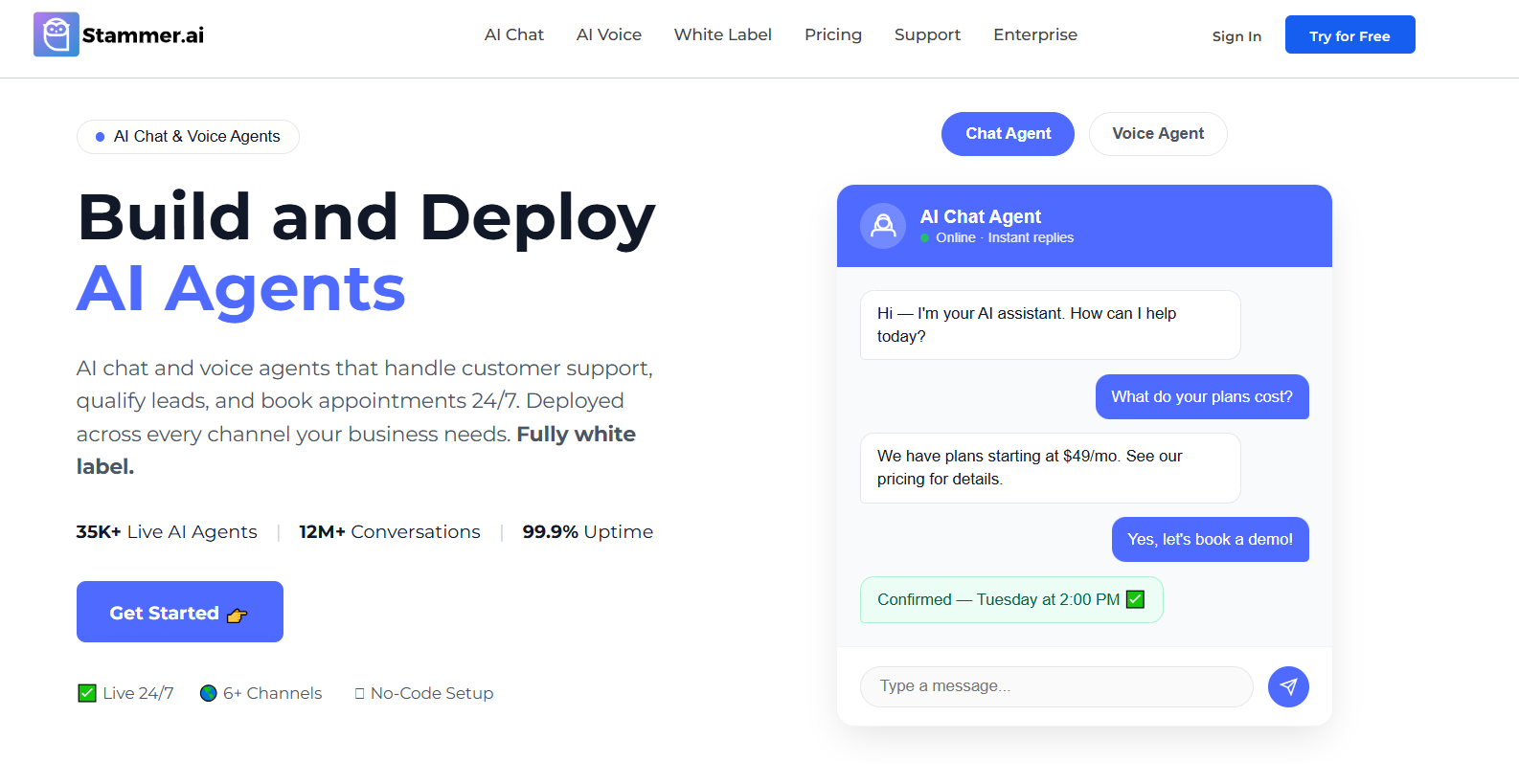
Best for: Agencies building and managing AI-powered services for clients.
Stammer AI is built for agencies that want to move beyond traditional service delivery and offer AI-powered solutions as part of their client packages. Instead of functioning only as a CRM or project management tool, the platform focuses on helping agencies create, manage, and deliver AI experiences across multiple client accounts.
The platform supports agencies working with AI chatbot solutions, voice agents, and automated client solutions. This makes it especially relevant for businesses that want to introduce AI services without developing and maintaining the underlying infrastructure themselves.
A major distinction of Stammer AI is its agency-focused approach. The platform is designed around the relationship between an agency and its clients, allowing teams to manage AI solutions while maintaining their own branding and service structure.
Agencies using Stammer AI can benefit from:
Managing AI-powered solutions across multiple client environments
Creating branded client experiences
Deploying AI voice agents and chat solutions as part of service packages
Expanding beyond traditional agency offerings
However, Stammer AI is more specialized than general-purpose client management platforms. Agencies primarily looking for a traditional CRM with extensive sales pipelines, marketing campaigns, or project tracking features may find broader platforms better aligned with those needs.
2. GoHighLevel
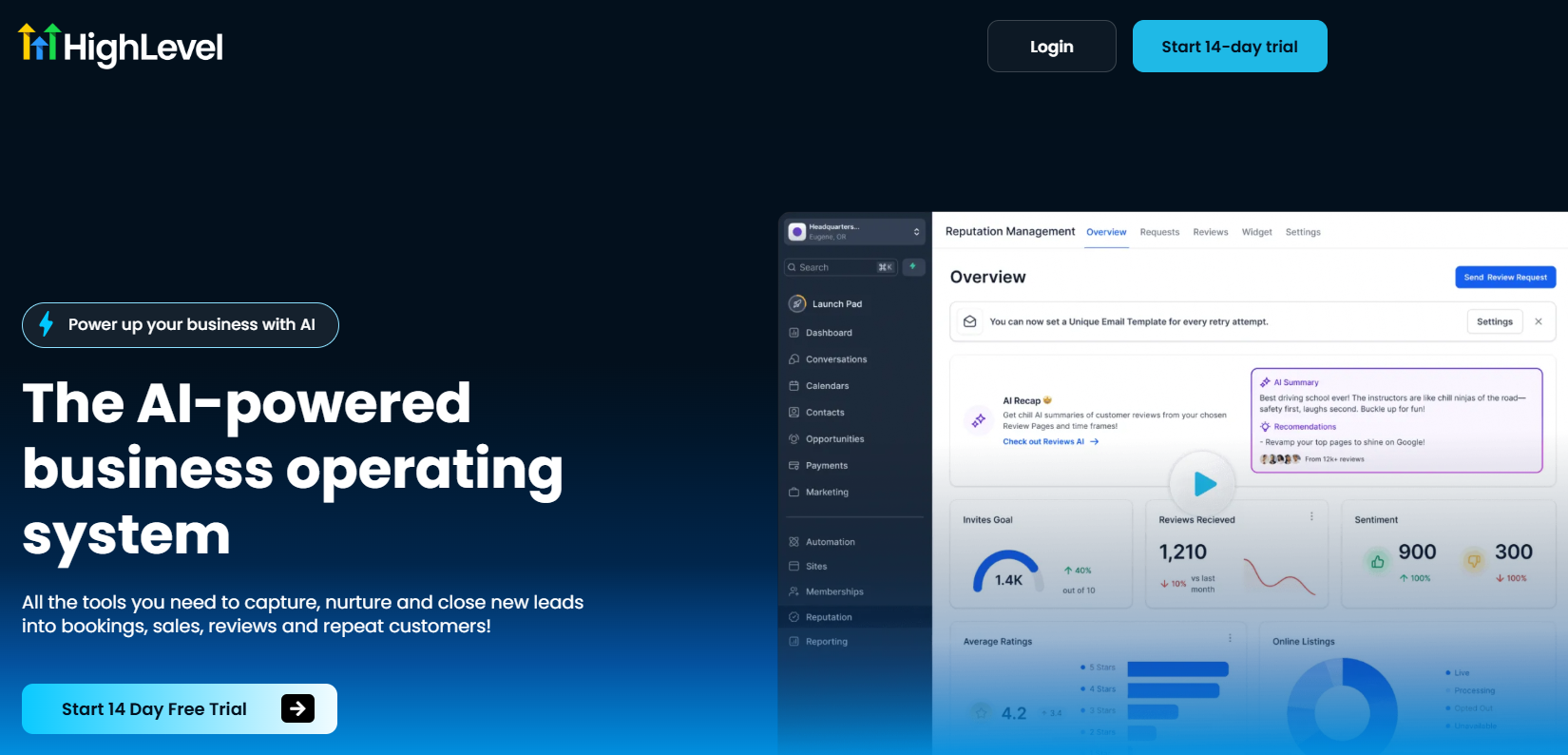
Best for: Marketing agencies managing campaigns, funnels, and client relationships.
GoHighLevel has become a popular choice among agencies that need a central platform for managing marketing services. Its ecosystem combines CRM functionality, sales tools, automation workflows, and campaign management features into one environment.
The platform is particularly useful for agencies that handle services such as:
Lead generation campaigns
Marketing funnels
Customer follow-ups
Client communication
Sales pipeline management
Where GoHighLevel stands out is its focus on marketing operations. Agencies can manage many parts of their client workflow without relying on several disconnected tools.
For agencies whose primary business model revolves around marketing campaigns and customer acquisition, GoHighLevel provides a broad set of capabilities in one platform.
That said, its core strength remains marketing automation and CRM management. Agencies looking for a platform specifically designed around delivering AI agents or AI-powered client solutions may require additional tools alongside it.
3. Vendasta
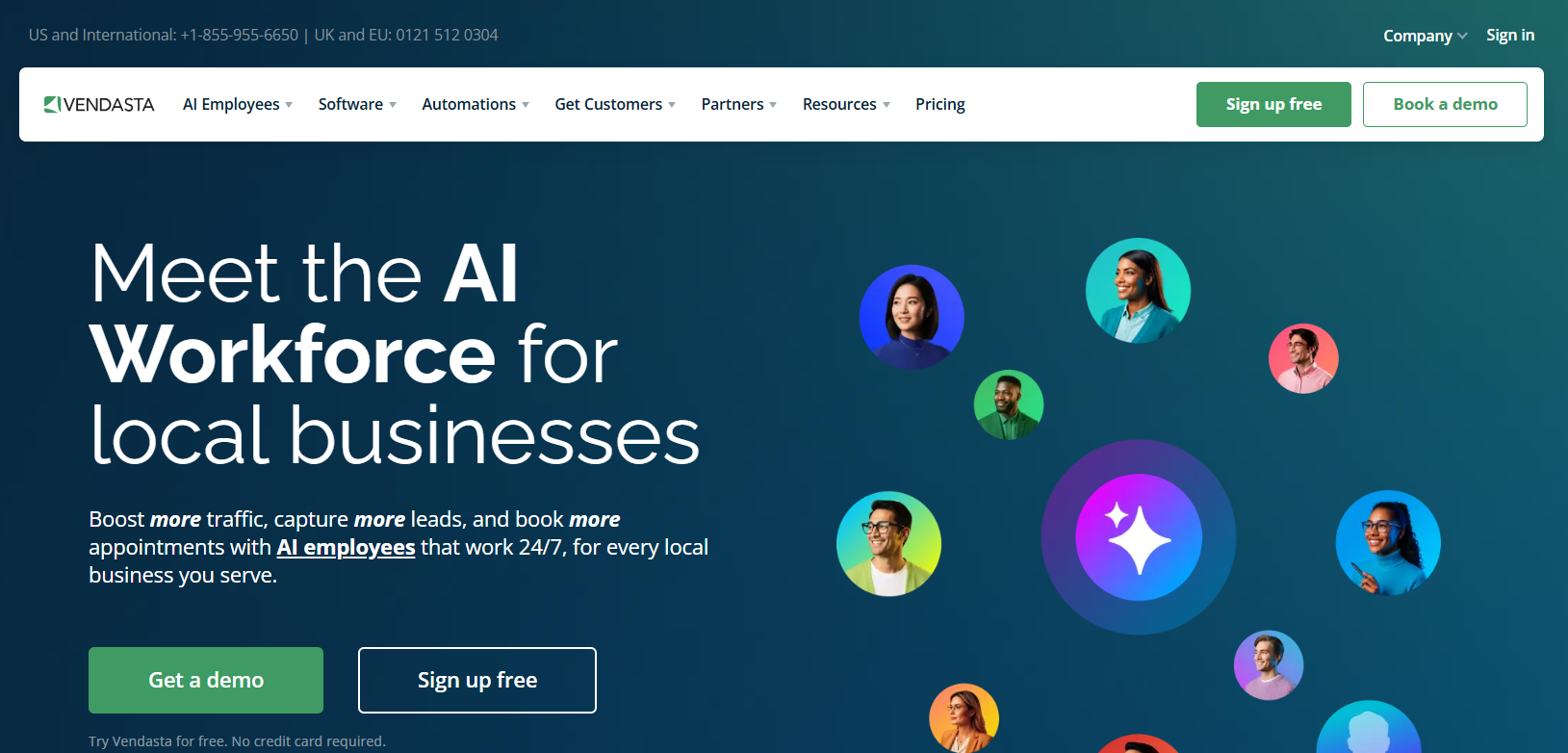
Best for: Agencies and resellers offering multiple digital services to small businesses.
Vendasta takes a different approach by focusing on agencies that sell and manage digital solutions for SMB clients. Rather than concentrating on a single service category, it provides an ecosystem for agencies that act as technology partners for businesses.
The platform is commonly used by agencies offering services such as:
Digital marketing solutions
Reputation management
Business reporting
Customer-facing technology products
One of Vendasta’s biggest strengths is its marketplace-driven model. Agencies can manage different solutions from one place while maintaining ongoing relationships with their customers. It is particularly suitable for agencies that want to package multiple digital services together and provide clients with a broader technology offering.
However, agencies looking for deeper AI agent customization or AI-specific service delivery may find that Vendasta is more focused on digital service management than AI implementation.
4. HubSpot
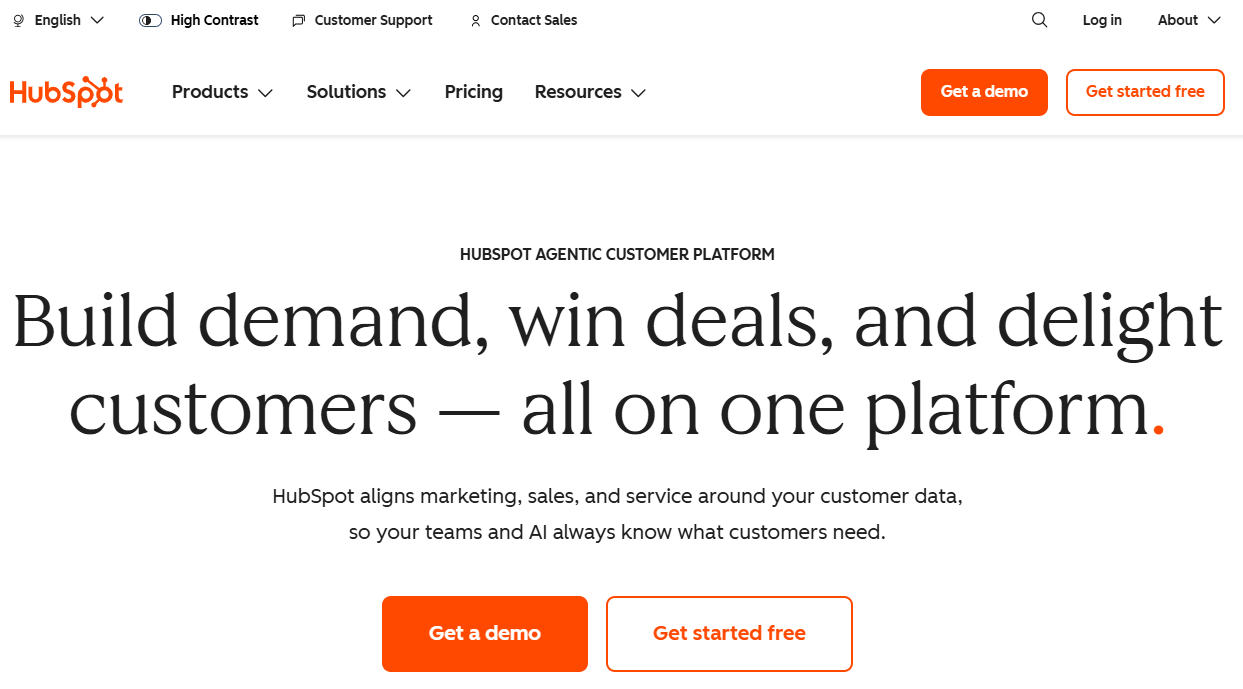
Best for: Agencies that need a CRM-centered approach to client management.
HubSpot is one of the most established platforms for managing customer relationships, sales activity, and marketing operations. Its CRM ecosystem gives agencies a structured way to organize contacts, track opportunities, monitor communication, and analyze performance.
The platform works well for agencies that prioritize:
Detailed customer records
Sales pipeline visibility
Marketing performance tracking
Reporting and analytics
HubSpot’s strength comes from its depth. Agencies that need a mature CRM environment with extensive integrations and business data management capabilities often consider it a strong option.
However, HubSpot is primarily built around CRM and business operations rather than agency-specific service delivery. Companies looking for white-label client experiences or specialized AI service management may need to evaluate other options.
5. SuiteDash
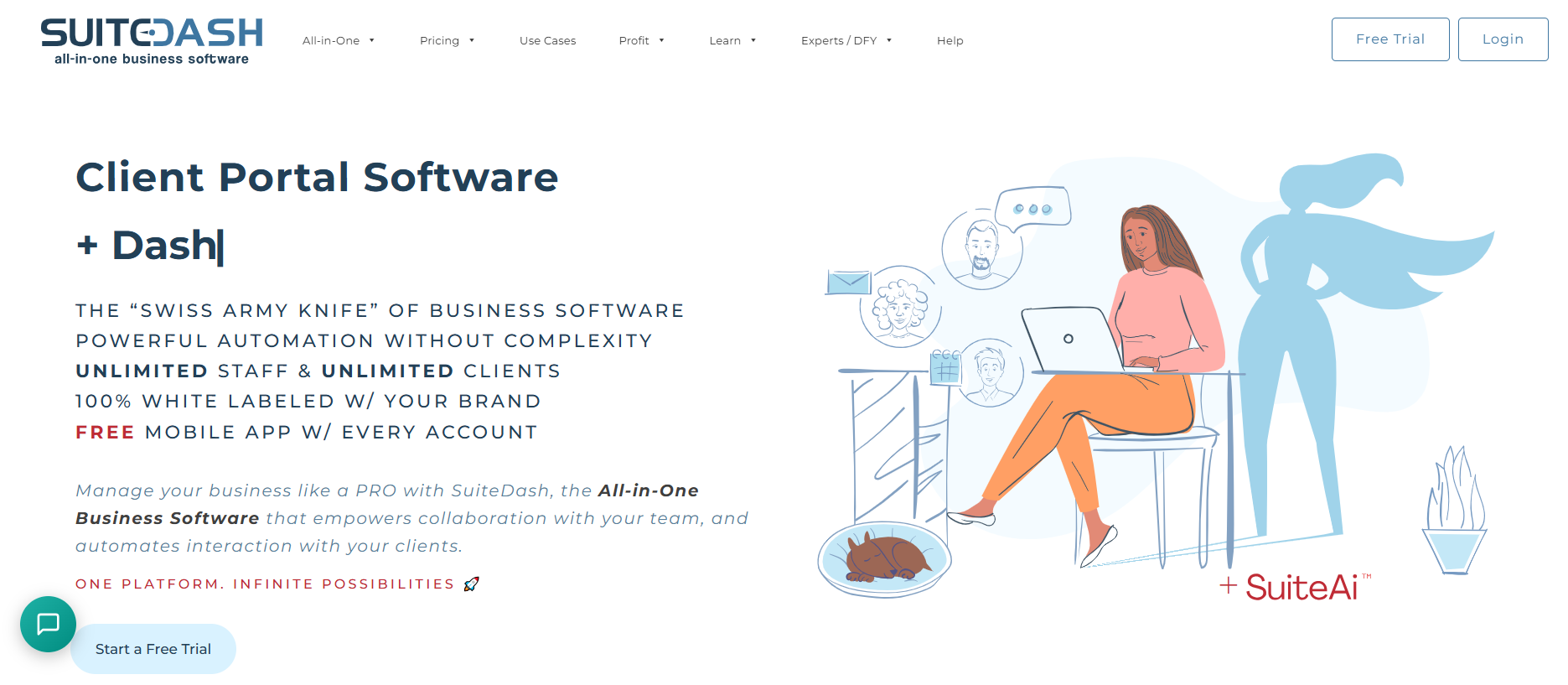
Best for: Agencies that want a centralized client portal and collaboration system.
SuiteDash focuses heavily on creating a structured environment where agencies and clients can communicate, share information, and manage ongoing work.
The platform brings together areas such as:
Client portals
Project collaboration
Document sharing
Workflow organization
Client communication
Its main advantage is improving the client experience by creating a dedicated space where customers can interact with the agency and access important resources. For agencies managing long-term projects, retainers, or service relationships, SuiteDash can provide a more organized client-facing experience.
The platform is less focused on AI-driven service delivery compared with newer AI-first solutions, making it better suited for agencies prioritizing collaboration and client operations over AI deployment.
Comparison Table: Best AI Client Management Platforms for Agencies in 2026
Different agencies prioritize different capabilities when choosing a client management platform. Some need stronger CRM functionality, while others require tools that support service delivery, automation, or client-facing experiences.
The table below provides a quick overview of how these platforms compare across key areas:
How AI Client Management Platforms Help Agencies Scale
Managing growth is not only about bringing in more clients. Agencies also need systems that allow teams to maintain service quality, organize operations, and handle increasing demand without adding unnecessary complexity.
AI client management platforms can support this growth by improving how agencies deliver services, communicate with customers, and expand their offerings.
Manage More Clients Without Increasing Operational Pressure
As an agency grows, managing each client individually becomes harder. More accounts often mean more communication, more reporting requirements, and more moving parts across daily operations.
A suitable platform can help agencies create a more organized approach by keeping client information, workflows, and service activities structured in one environment. This allows teams to spend less time managing administrative tasks and more time focusing on strategy, client relationships, and service improvements.
Expand Agency Services With AI-Powered Solutions
AI has created new opportunities for agencies to offer services beyond traditional marketing, consulting, or development work, This includes solutions such as AI lead generation systems that help businesses qualify and manage potential customers. Platforms that support AI-based solutions allow agencies to introduce offerings such as:
Automated customer interactions
AI-powered assistants
Lead qualification systems
Client-specific automation solutions
For agencies, this creates opportunities to build new service packages and adapt to changing client expectations.
Create More Scalable Service Models
Many agencies rely heavily on manual processes when delivering services. While this approach may work with a small number of clients, it can become difficult to maintain as demand increases. AI client management platforms can help agencies create repeatable processes that support consistent delivery across multiple accounts.
This makes it easier to:
Standardize client workflows
Reduce unnecessary manual steps
Deliver services more consistently
Support larger client portfolios
Improve Client Experience and Communication
Client relationships depend on clear communication and reliable service delivery. Agencies handling high volumes of customer conversations can also benefit from AI-powered customer support solutions that improve response management.
As agencies grow, maintaining the same level of responsiveness across every account can become challenging. Centralized platforms can help agencies provide a more structured client experience by improving visibility, communication, and collaboration. Better organization allows clients to stay informed while giving agencies a clearer view of ongoing activities and requirements.
How to Choose the Right AI Client Management Platform
There is no single platform that works for every agency. The right choice depends on the type of services an agency provides, the clients it serves, and how it plans to grow. Instead of comparing platforms only by features, agencies should first identify the role they want the platform to play within their business.
1. Decide What You Want the Platform to Help You Deliver
The biggest difference between these platforms is the type of work they support. An agency focused on marketing campaigns may need a system built around customer journeys and sales processes.
An agency offering AI-powered services may require a platform designed around deploying and managing AI solutions. The right platform should support the core service the agency is trying to deliver.
2. Consider Your Client Delivery Model
Agencies operate in different ways. Some manage campaigns for clients, some sell packaged digital solutions, and others provide ongoing technology services.
Before choosing a platform, consider:
Are clients mainly purchasing marketing services?
Are you providing software-powered solutions?
Do clients need a dedicated portal or ongoing collaboration space?
Are you building recurring service packages?
The answer will help determine which platform aligns with your business model.
3. Think About Where Your Agency Is Heading
A platform should support the direction of the agency, not only its current workflow. An agency that plans to expand into AI services may need a different foundation than one focused purely on consulting or marketing execution.
Consider the type of growth you want:
Expanding your service offerings
Supporting more client accounts
Building new revenue streams
Creating more standardized service packages
4. Choose Based on Your Agency’s Priorities
Different platforms excel in different areas.
For example:
Agencies focused on marketing operations may prefer platforms with strong CRM and campaign management capabilities.
Agencies selling digital solutions may benefit from platforms built around service delivery and client management.
Agencies creating AI-powered services may prefer solutions designed specifically for AI deployment and management.
The best choice is the platform that matches how your agency creates value for clients.
FAQs
What is the difference between an AI client management platform and a traditional CRM?
A traditional CRM is mainly built to organize customer information, track sales activity, and manage communication history. AI client management platforms extend these capabilities by introducing automation, AI-powered workflows, and tools that support modern agency operations.
The key difference is that AI client management platforms are designed for agencies that need more than customer records and sales tracking. They support businesses that want to combine client management with automated processes and technology-driven services.
Can AI client management platforms replace project management tools?
It depends on the platform and the agency’s workflow. Some solutions include project management and collaboration features, while others focus more on CRM, automation, or AI service delivery.
Some agencies may also combine these systems with AI live chat solutions to improve client communication. Agencies should determine whether they need a complete project management replacement or a platform that improves specific parts of their existing operations.
Are AI client management platforms useful for small agencies?
Yes. Small agencies can use these platforms to create more organized workflows and manage growing client demands without requiring large teams. They can be especially useful for agencies that want to expand their services, improve client handling, or introduce more automation into daily operations.
Can agencies use these platforms to offer AI services to clients?
Some platforms are designed specifically to support AI service delivery, while others focus on broader agency management. Agencies interested in offering AI solutions should consider whether a platform supports AI deployment, client management, and customer-facing experiences that align with their service model.
Should agencies choose an all-in-one platform or a specialized solution?
The right choice depends on the agency’s goals and the type of services it provides. An agency focused on marketing operations may benefit from a broader platform with CRM and automation capabilities, while an agency delivering AI solutions may prefer a specialized platform built around AI-powered services.
How difficult is it to move existing clients onto a new platform?
The difficulty depends on the platform, current systems, and the amount of client information that needs to be transferred. Agencies should evaluate migration options, available integrations, and the onboarding process before making a switch to ensure a smoother transition.
Can agencies manage multiple clients from one AI platform?
Yes. Many agency-focused platforms support multiple client accounts, workspaces, or customer environments. However, the way each platform handles client management can vary. Some focus on CRM organization, while others are designed around service delivery, automation, or AI-powered solutions.
What should agencies prioritize when choosing an AI client management platform?
Agencies should focus on the capabilities that match their business model and client requirements. The ideal platform should support the services an agency provides today while allowing room for future expansion as client expectations, workflows, and service offerings evolve.
Final Thoughts
The role of agencies is changing. As clients expect more technology-driven solutions, the platforms agencies choose will increasingly shape how they deliver value.
The strongest solutions are the ones that fit naturally into an agency’s workflow, support its service model, and help teams deliver better experiences for their clients.
Whether an agency is improving its internal operations, expanding its digital offerings, or moving into AI services, selecting the right platform can create a stronger foundation for future growth.


